Why visit
Why visit Anića Kuk
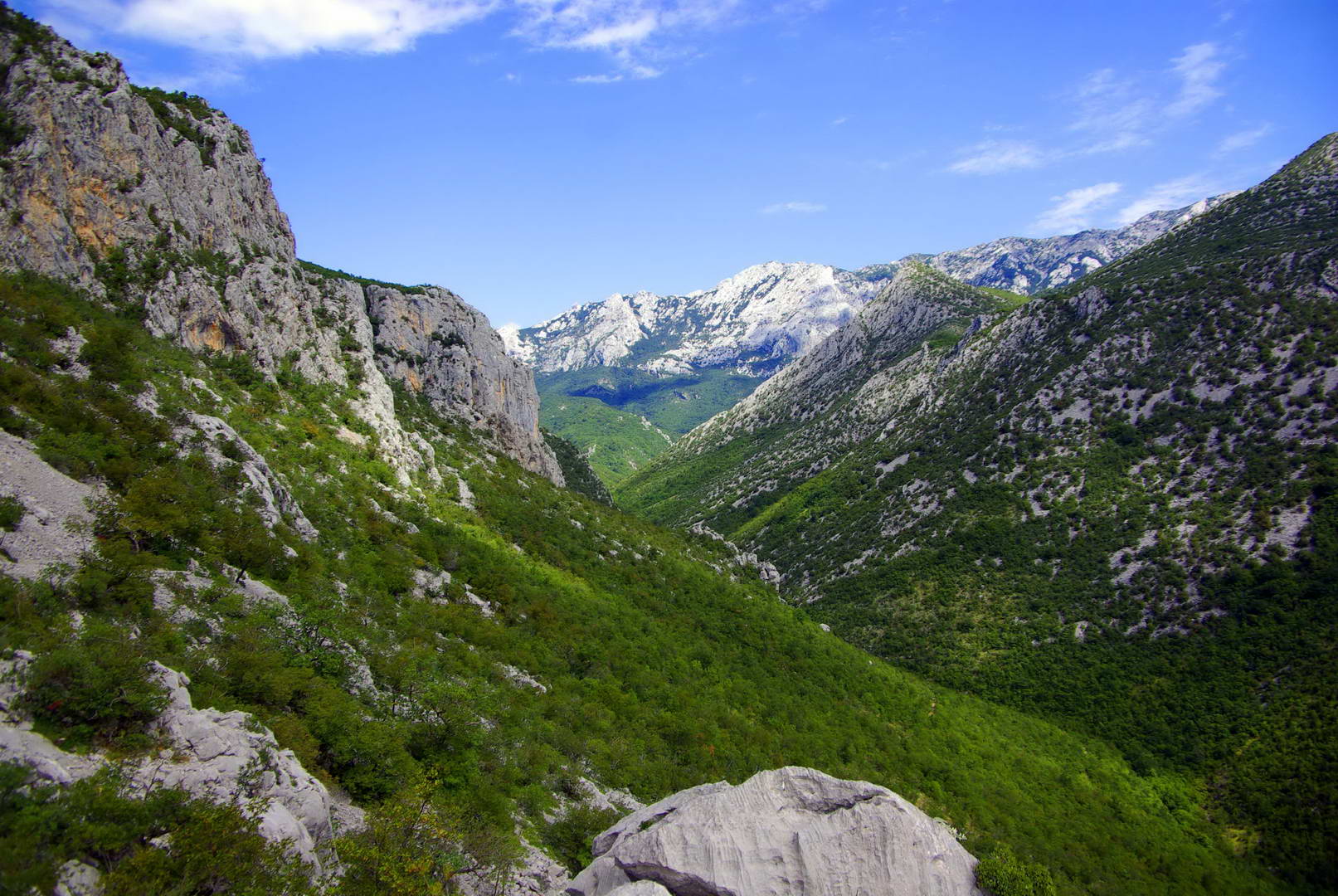
The 712-metre limestone tower of Anića Kuk rises like a stone monolith straight out of the Velika Paklenica gorge and is the most iconic natural feature in the national park — and one of the most famous big-wall climbing venues in southeast Europe. Over 100 marked climbing routes of every grade thread its 350-metre south face, drawing serious alpinists from across the continent since the 1930s; the classic 'Klin' route (V+, 350 m) was first climbed in 1938 and remains a rite of passage.
At a glance
Estimated visit
3–5 hours
Best season
May–June or September
Where
Starigrad-Paklenica, Croatia
Category
Mountain
History
The 712-metre limestone tower of Anića Kuk rises like a stone monolith straight out of the Velika Paklenica gorge and is the most iconic natural feature in the national park — and one of the most famous big-wall climbing venues in southeast Europe. Over 100 marked climbing routes of every grade thread its 350-metre south face, drawing serious alpinists from across the continent since the 1930s; the classic 'Klin' route (V+, 350 m) was first climbed in 1938 and remains a rite of passage. For non-climbers, a well-marked hiking trail loops behind the tower via the historic Josip Poljak path and delivers you to the summit ridge in about three hours from the park entrance, with jaw-dropping views over the whole Velebit Channel, Pag, and on clear days as far as the Kornati. The name — Kuk means 'hip' in local dialect — refers to how the tower juts sideways from the ridge. Come early morning: by 11 am the south face is a furnace of reflected heat, and the return is best done in shade. Fixed water is not available on the trail so carry at least two litres in summer.
“Anića Kuk features on the reverse of the discontinued 100-kuna banknote — you can compare notes to the real thing from the viewing terrace of the Paklenica visitor centre.”
Live from here
Gallery
Nearby attractions
Nearby restaurants, cafés & bars
Community reviews
On the map