Why visit
Why visit Primošten Peninsula Old Town
The old town of Primošten occupies an almost-perfect small peninsula halfway between Šibenik and Trogir — a compact triangular headland connected to the mainland by a narrow isthmus, and one of the most photogenic townscapes on the Adriatic. Founded in the 15th century as an Ottoman-refuge community by Christians fleeing the Bosnian interior, Primošten was originally an actual island connected to the mainland only by a wooden drawbridge; the drawbridge was replaced by a permanent causeway only in 1564.
At a glance
Estimated visit
2 hours + beach
Best season
Late afternoon for stone glow
Where
Primošten, Croatia
Category
Old Town
History
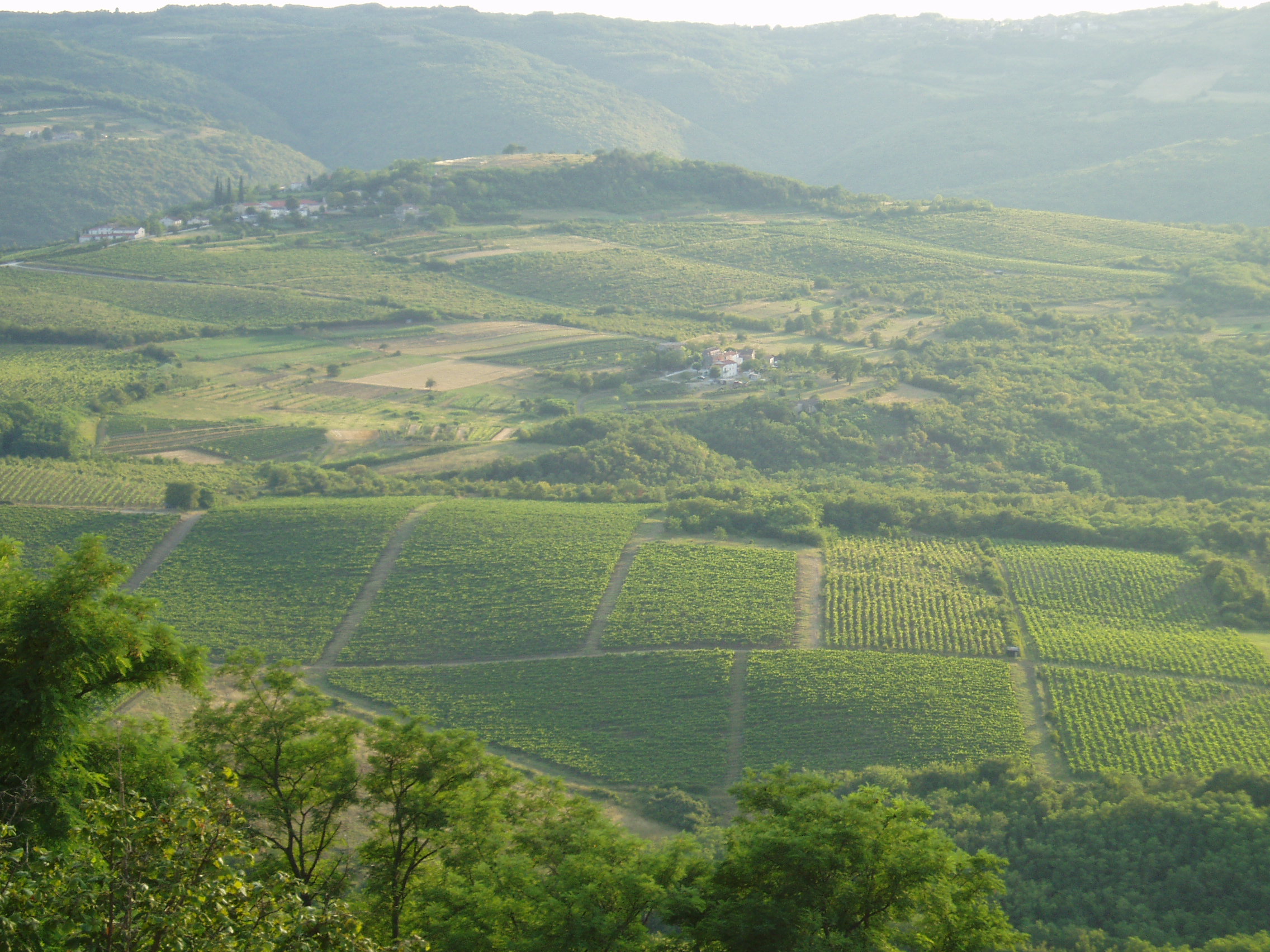
The old town of Primošten occupies an almost-perfect small peninsula halfway between Šibenik and Trogir — a compact triangular headland connected to the mainland by a narrow isthmus, and one of the most photogenic townscapes on the Adriatic. Founded in the 15th century as an Ottoman-refuge community by Christians fleeing the Bosnian interior, Primošten was originally an actual island connected to the mainland only by a wooden drawbridge; the drawbridge was replaced by a permanent causeway only in 1564. The town's white-stone houses climb the little hill in tight concentric circles capped by the elegant 15th-century parish church of St. George on the summit, with a small cypress-shaded cemetery beside it offering a stunning 360-degree view. The narrow stepped alleys are perfect for aimless wandering and contain excellent small konobas, artisanal shops, and a lovely modern art gallery in a beautifully restored medieval town house. The surrounding vineyards produce the beloved 'Babić' red wine — one of Croatia's most respected varieties — from dry-stone-walled terraces so ancient that they were displayed at the UN headquarters in New York as an outstanding example of traditional human-shaped landscape. The town's pebble beaches and turquoise water make it a perfect single-town base for a slow Dalmatian week.
“The Primošten dry-stone-walled vineyards are so distinctive that an aerial photograph of them hangs permanently in the United Nations General Assembly building in New York as a symbolic representation of 'harmony between man and nature'.”
Live from here
Gallery
Nearby attractions
Nearby restaurants, cafés & bars
Community reviews
On the map